
Gum Disease 101: What It Is and Why You Shouldn’t Ignore It

Welcome to All About Smiles, where we are committed to educating you about the crucial aspects of oral health. Today, we’ll discuss gum disease. This is a topic that might not be on everyone’s radar but is of utmost importance. 

Also known as periodontal disease, gum disease is a silent yet significant threat to oral health, affecting nearly 50% of the population of U.S. adults. Minor cases of gingivitis (the first stage of gum disease) do not cause major complications, but gum disease can lead to severe consequences if left untreated. These include tooth loss and systemic health issues, too! Let’s get into the specifics.

What is Gum Disease?

Gum disease is an infection of the tissues that hold your teeth in place, commonly caused by poor oral hygiene. It begins with plaque, a sticky film of bacteria that forms on your teeth. If not removed through regular brushing and flossing, plaque can harden into tartar, leading to inflammation and infection of the gums. There are two main stages of gum disease:

  • Gingivitis: The earliest stage of gum disease, characterized by red, swollen gums that may bleed easily. At this stage, the condition is reversible with proper oral care.
  • Periodontitis: The advanced stage, where the gums pull away from the teeth, forming pockets that become infected. Complications are limited at first, but as the condition becomes more advanced and is not treated, periodontitis can lead to permanent, irreversible damage to your teeth, gums, and jawbone.

Signs and Symptoms of Gum Disease

Recognizing the signs of gum disease early can prevent further complications. Some common symptoms include:

  • Persistent bad breath or a bad taste in the mouth
  • Red, swollen, or tender gums
  • Bleeding gums after brushing or flossing
  • Receding gums or longer appearing teeth
  • Loose or shifting teeth

If you notice any of these symptoms, it is crucial to seek professional dental care promptly.

The Risks of Ignoring Gum Disease

Ignoring gum disease can have serious repercussions, not just for your oral health but for your overall well-being. Untreated gum disease can lead to:

  • Tooth Loss: As the disease progresses, it destroys the supporting bone and tissue, leading to tooth loss.
  • Systemic Health Issues: Research has linked gum disease to various systemic conditions, such as heart disease, diabetes, and respiratory problems.

By addressing gum disease early, you can prevent these complications and maintain a healthy smile.

Preventing and Treating Gum Disease

Prevention is the best defense against gum disease. Here are some steps you can take to protect your gums:

  • Brush your teeth twice a day with fluoride toothpaste
  • Floss daily to remove plaque between teeth
  • Visit your dentist regularly for cleanings and check-ups
  • Maintain a healthy diet and avoid tobacco/nicotine use

If you are diagnosed with gum disease, your treatment options may include scaling and root planing and antibiotics, or more advanced procedures such as gum flap surgery, depending on the severity.

Take Action Against Gum Disease in McMinnville, OR

Don’t let gum disease compromise your smile and overall health. At All About Smiles, Dr. Frances Golly and our dedicated team are here to provide you with comprehensive care and effective treatment options. If you’re in McMinnville, OR, and suspect you might have gum disease or simply want to maintain your oral health, contact us today at (509) 954-7526 to schedule an appointment. Your smile deserves the best care possible!

Root Canal Treatment: Debunking Myths and Understanding the Procedure

Root canals often evoke fear and anxiety, but understanding the procedure can help dispel these myths and ease your concerns. Root canal treatment is a common dental procedure that can save your tooth and relieve pain. At All About Smiles, Dr. Frances Golly and her team are dedicated to providing gentle and effective care to the McMinnville, OR community. Let’s dive into the facts about root canals and what you can expect during the procedure.

What is a Root Canal?

A root canal is a dental procedure designed to treat infection at the center of a tooth. It involves removing the infected pulp, cleaning and disinfecting the area, and then filling and sealing the tooth. The process can be summarized as follows:

  • Diagnosis: Identifying the infected or damaged tooth pulp.
  • Removal: Carefully extracting the infected tissue to prevent further damage.
  • Cleaning: Thoroughly disinfecting the tooth’s interior.
  • Filling: Sealing the tooth to protect against future infections.

This procedure not only alleviates pain but also prevents the need for tooth extraction, preserving your natural smile.

Busting Common Myths About Root Canals

There are several misconceptions about root canals that can cause unnecessary anxiety. Here are some common myths debunked:

  • 1: Root canals are extremely painful – This is not true. Modern techniques and anesthesia make the procedure no more uncomfortable than getting a filling. Not only that, but you’ll get relief from your toothache, which is a common symptom of tooth infection.
  • 2: It’s better to extract a tooth than have a root canal – Nope! In fact, preserving your natural tooth is always preferable to extraction, maintaining your bite and preventing jaw issues.
  • 3: Root canals cause illness – There is no scientific evidence linking root canals to other health problems of any kind.

The Benefits of Root Canal Treatment

Undergoing a root canal offers numerous benefits that extend beyond pain relief. Here’s why it’s a worthwhile investment in your oral health:

  • Preservation of your natural tooth, maintaining your smile and bite.
  • Prevention of further infection and damage to surrounding teeth.
  • Restoration of normal chewing and biting forces, improving oral function.
  • Enhanced aesthetics, as the tooth can be restored with a crown for a natural appearance.

These benefits underscore the importance of addressing dental issues promptly and effectively.

What to Expect During Your Root Canal Procedure

Understanding what happens during a root canal can alleviate anxiety and help you prepare for the procedure. Here’s what you can expect:

  • Initial Consultation: Dr. Frances Golly will assess your tooth and discuss the procedure with you.
  • Anesthesia: Local anesthesia is administered to ensure a pain-free experience.
  • Procedure: The infected pulp is removed, and the tooth is cleaned and sealed.
  • Aftercare: Instructions will be provided for post-procedure care to ensure a smooth recovery.

With the right preparation and care, your root canal can be a straightforward and stress-free experience.

Schedule Your Root Canal Consultation in McMinnville, OR

If you’re experiencing tooth pain or suspect you might need a root canal, don’t wait to seek treatment. Contact All About Smiles in McMinnville, OR today at (509) 954-7526 to schedule a consultation with Dr. Frances Golly. Our team is committed to providing compassionate care and ensuring your dental health is our top priority. Let us help you achieve a pain-free smile!

Periodontal Care: Protecting Your Gums for a Healthier Smile

When it comes to maintaining a radiant smile, most people focus on keeping their teeth white and cavity-free. However, the health of your gums is just as crucial to your overall oral health. Periodontal care is the foundation of a healthy smile, as it prevents gum disease and ensures the longevity of your teeth. In this blog, we’ll explore the importance of periodontal care, the signs of gum disease, and how you can take proactive steps to protect your gums and, ultimately, your smile.

Understanding Periodontal Disease

Periodontal disease, commonly known as gum disease, is a prevalent yet often overlooked condition that affects the tissues surrounding your teeth. It begins with plaque buildup, which can harden into tartar if not removed. Here are some key points to understand about periodontal disease:

  • Stages: It progresses from gingivitis (mild inflammation) to periodontitis (severe gum infection).
  • Symptoms: Bleeding gums, bad breath, receding gums, and loose teeth are common indicators.
  • Causes: Poor oral hygiene, smoking, genetic factors, and certain medical conditions can increase the risk.

Understanding these aspects can help you recognize the early warning signs and seek timely treatment to prevent further damage.

The Importance of Regular Dental Check-Ups

Regular dental check-ups are a critical component of periodontal care. These appointments allow your dentist to monitor your gum health and catch any early signs of disease. During a check-up, your dentist will:

  • Perform a thorough cleaning to remove plaque and tartar buildup.
  • Conduct a periodontal examination to assess gum health.
  • Provide personalized advice on improving your oral hygiene routine.

By attending regular check-ups, you can ensure that any potential issues are addressed promptly, preventing more severe complications down the line.

Effective Home Care Practices

While professional dental care is essential, maintaining a diligent home care routine is equally important in preventing periodontal disease. Here are some effective practices to incorporate into your daily routine:

  • Brushing: Use a soft-bristled toothbrush and fluoride toothpaste to brush twice a day.
  • Flossing: Floss daily to remove plaque and food particles between teeth.
  • Mouthwash: Rinse with an antimicrobial mouthwash to reduce bacteria.

By adopting these habits, you can significantly reduce the risk of developing gum disease and maintain a healthy smile.

Advanced Periodontal Treatments

For those already experiencing gum disease, advanced periodontal treatments may be necessary to restore gum health. These treatments can include:

  • Scaling and Root Planing: A deep cleaning procedure to remove tartar and smooth root surfaces.
  • Gum Surgery: In severe cases, surgical intervention may be required to repair damaged tissues.
  • Laser Therapy: A minimally invasive option to target infected tissue and promote healing.

Consulting with a dental professional will help determine the most suitable treatment plan for your specific needs, ensuring the best possible outcome for your oral health.

Schedule Your Periodontal Check-Up in McMinnville, OR

Are you ready to take control of your gum health and protect your smile? At All About Smiles, Dr. Frances Golly and our dedicated team are committed to providing top-notch periodontal care in McMinnville, OR. Don’t wait until it’s too late—schedule your appointment today by calling (509) 954-7526. Let us help you achieve a healthier smile and peace of mind knowing your gums are in expert hands.

Restorative Dentistry: Rebuilding Your Smile with Bridges, Fillings, and Root Canals

Your smile is one of your greatest assets, but over time, wear and tear, decay, or injury can take a toll on your teeth. Restorative dentistry offers a variety of solutions to repair and rejuvenate your smile, ensuring it remains healthy and beautiful. Whether you’re dealing with a minor cavity or need more extensive dental work, understanding your options can empower you to make informed decisions about your oral health. In this blog, we’ll explore how bridges, fillings, and root canals can restore your smile and improve your overall well-being.

Understanding Dental Bridges

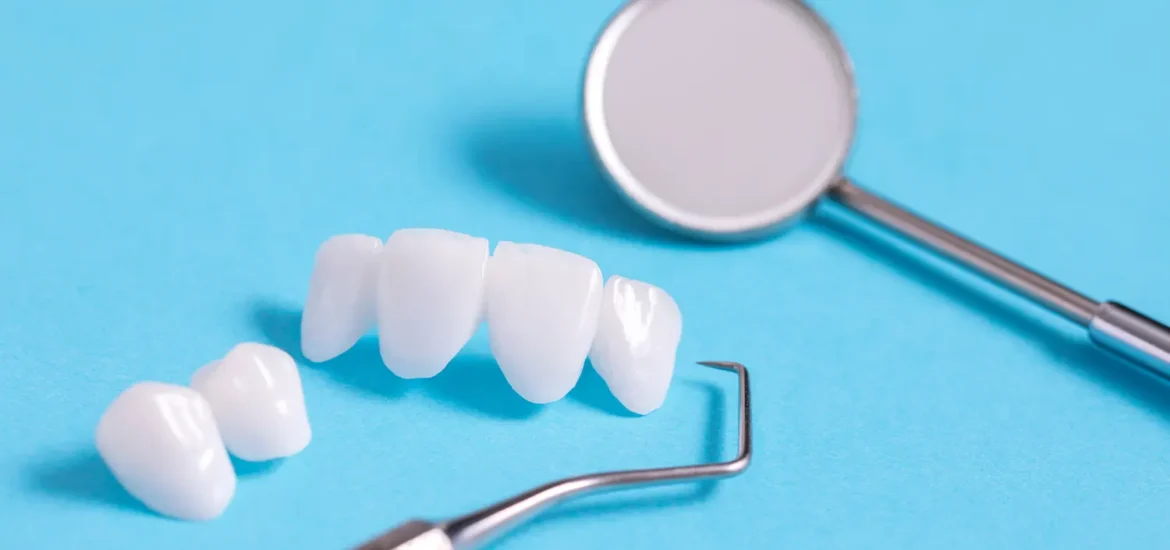
Dental bridges are a popular solution for missing teeth, offering both functional and aesthetic benefits. By literally “bridging” the gap between two teeth, they restore your ability to chew and speak properly while maintaining the natural shape of your face. Key benefits of dental bridges include:

  • Restoring your smile and maintaining facial structure
  • Improving your ability to chew and speak
  • Preventing remaining teeth from drifting out of position


With various types of bridges available, such as traditional, cantilever, and Maryland bridges, your dentist can recommend the best option based on your specific needs.

The Importance of Dental Fillings

Dental fillings are essential for treating cavities and preventing further tooth decay. By filling the cavity, the tooth’s structure and function are restored, and the risk of more severe dental issues is minimized. Here’s why dental fillings are crucial:

  • They stop the progression of decay by sealing the affected area
  • Fillings restore the tooth’s shape, allowing for normal function
  • Modern filling materials, such as composite resins, match your natural tooth color for an aesthetically pleasing result


Regular dental check-ups can help detect cavities early, allowing for timely intervention with fillings.

Root Canals: Saving Your Natural Teeth

When decay or infection reaches the pulp of a tooth, a root canal may be necessary to save it. Despite their intimidating reputation, root canals are a common and effective procedure to alleviate pain and preserve your natural tooth. Key points about root canals include:They remove infected or damaged tissue from inside the tooth

  • The tooth is then cleaned, sealed, and often capped with a crown for protection
  • Root canals can prevent the need for tooth extraction, maintaining your natural smile

Advancements in dental technology have made root canals more comfortable and efficient, offering a viable solution for severely damaged teeth.

Choosing the Right Restorative Dentist

Selecting a skilled and compassionate restorative dentist is crucial for achieving the best outcomes. Consider these factors when choosing a dentist:Experience and expertise in restorative procedures

  • A patient-centered approach that prioritizes your comfort
  • Access to the latest dental technology and techniques

At All About Smiles, Dr. Frances Golly and her team are dedicated to providing exceptional care tailored to your unique needs, ensuring a positive experience with every visit.

Revitalize Your Smile in McMinnville, OR

Ready to transform your smile and boost your confidence? Dr. Frances Golly at All About Smiles is here to help you achieve optimal oral health with personalized restorative dentistry solutions. Whether you need a bridge, filling, or root canal, our McMinnville, OR practice is committed to delivering top-notch care in a welcoming environment. Don’t wait any longer to restore your smile—call us today at (509) 954-7526 to schedule your appointment!